Teen Emotional Dysregulation Treatment in Falmouth, MA
Crown Adolescent Health provides specialized support near Falmouth for teenagers who struggle with intense emotions, frequent outbursts, impulsive reactions, shutdowns, anxiety, depression, and difficulty recovering after stressful situations.
If you are searching for teen emotional dysregulation treatment in Falmouth, MA, your family may be experiencing frequent conflict, unpredictable mood changes, emotional shutdowns, or reactions that seem much more intense than the situation itself.
Your teenager may become overwhelmed by disappointment, criticism, changes in plans, school pressure, friendship problems, or family expectations. Once upset, they may struggle to calm down, communicate clearly, or consider the consequences of their actions. Some teens yell, argue, slam doors, or act impulsively. Others withdraw completely, stop communicating, or appear emotionally numb.
These behaviors can be confusing and exhausting for parents. You may feel as though every conversation could turn into an argument or that your family is constantly adjusting routines to avoid another emotional crisis. Emotional dysregulation is not always intentional defiance. It often reflects difficulty understanding, tolerating, and managing intense internal experiences.
Many families searching for teen emotional dysregulation treatment near Falmouth choose Crown Adolescent Health for our individualized approach.
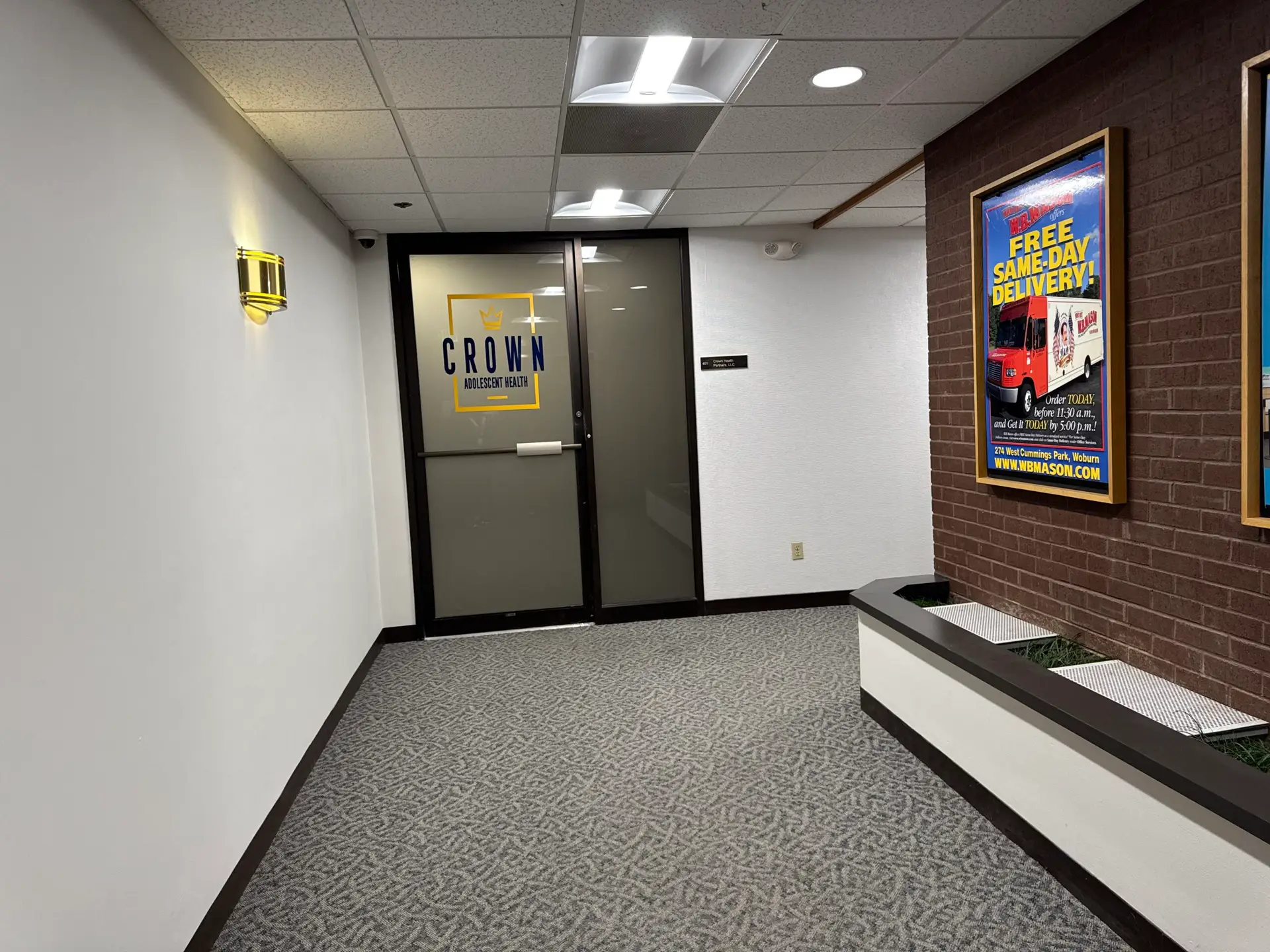
Crown Adolescent Health provides adolescent-focused mental health treatment near Falmouth through our Bourne location. Our programs help teenagers improve emotional awareness, distress tolerance, communication, coping skills, and confidence while helping parents create a more supportive and stable home environment.
Located at 1 Technology Park Drive, Unit 1A, Bourne, MA 02532, Crown Adolescent Health serves families from Falmouth, Mashpee, Sandwich, Barnstable, Hyannis, Wareham, Buzzards Bay, Plymouth, and communities throughout Cape Cod.
What Is Emotional Dysregulation?
Emotional dysregulation refers to difficulty managing the intensity, duration, or expression of emotions. A teenager experiencing emotional dysregulation may react strongly to stress and have trouble returning to a calm emotional state.
The emotion itself may be understandable, but the reaction may become so intense that it interferes with communication, decision-making, relationships, school, or daily routines.
For example, a small disagreement may lead to an explosive argument. A disappointing grade may trigger hopelessness or panic. A change in plans may result in a prolonged shutdown. A social misunderstanding may feel like complete rejection.
Emotionally dysregulated teens are not necessarily trying to create conflict. Many feel embarrassed, guilty, or exhausted after an episode but do not yet have the skills needed to respond differently.
Signs of Emotional Dysregulation in Teenagers
Emotional dysregulation can appear differently from one adolescent to another. Some teens express distress outwardly, while others internalize emotions and withdraw.
Choosing the right teen emotional dysregulation treatment can help teenagers regain stability while remaining connected to their families.
Common signs may include:
- Frequent emotional outbursts
- Rapid mood changes
- Difficulty calming down after becoming upset
- Extreme reactions to disappointment or criticism
- Impulsive behavior during emotional moments
- Yelling, arguing, or damaging property
- Emotional shutdowns or refusal to communicate
- Difficulty accepting limits or boundaries
- Intense sensitivity to rejection
- Persistent irritability
- Frequent conflict with parents, siblings, or peers
- Difficulty tolerating changes in plans
- Feeling overwhelmed by ordinary responsibilities
- Regret or shame after an emotional episode
- School avoidance or declining academic performance
A teen does not need to display every sign to benefit from treatment. Persistent emotional reactions that interfere with daily life deserve professional attention.
Are Intense Emotions Disrupting Your Family?
Our admissions team can help you understand available treatment options and determine what level of support may be appropriate for your teenager.
Speak With Our Admissions TeamWhat Causes Emotional Dysregulation in Adolescents?
Emotional dysregulation does not have one single cause. It may develop through a combination of biological sensitivity, developmental factors, stress, mental health conditions, family dynamics, environmental pressure, or difficult life experiences.
Factors that may contribute include:
- Anxiety
- Depression
- Trauma or distressing experiences
- ADHD-related impulsivity
- Mood instability
- Social rejection or bullying
- Academic pressure
- Perfectionism
- Sleep deprivation
- Family conflict
- Difficulty identifying emotions
- Limited coping skills
- Major life transitions
- Grief or loss
- Chronic stress
Understanding what is driving emotional reactions is an important part of treatment. Effective care addresses the underlying distress rather than focusing only on stopping the visible behavior.
Emotional Dysregulation and Anxiety
Many emotionally dysregulated teens also experience anxiety. Constant worry, overthinking, perfectionism, fear of failure, and social pressure can keep the nervous system in a heightened state.
Our clinical team is available to answer questions about teen emotional dysregulation treatment and guide families through the admissions process.
When stress accumulates, even a minor challenge may feel overwhelming. The teen may react intensely because they have already been carrying significant emotional tension throughout the day.
Treatment can help adolescents recognize anxiety earlier, use grounding strategies, challenge catastrophic thinking, and communicate distress before it becomes a crisis.
Learn more about Teen Anxiety Treatment in Falmouth, MA.
Emotional Dysregulation and Depression
Teen depression can appear as irritability, anger, withdrawal, emotional numbness, or low frustration tolerance. A depressed teenager may have less emotional energy available to cope with ordinary stressors.
Parents may notice that their teen becomes upset more easily, loses interest in relationships, reacts negatively to encouragement, or withdraws after conflict. These behaviors may reflect emotional pain rather than a lack of caring.
Learn more about Teen Depression Treatment in Falmouth, MA.
How Emotional Dysregulation Affects School
School environments can create multiple emotional triggers, including academic pressure, social conflict, crowded settings, unexpected changes, presentations, deadlines, and fear of embarrassment.
Crown Adolescent Health tailors every teen emotional dysregulation treatment plan to the specific needs of each adolescent and family we serve.
Emotionally dysregulated teens may:
- Leave class after becoming upset
- Argue with teachers or peers
- Shut down during challenging assignments
- Refuse to attend school
- Experience panic symptoms
- Struggle to recover after social conflict
- Avoid classes where they feel unsuccessful
- Fall behind due to emotional exhaustion
These difficulties can create a cycle in which missed work increases stress, and increased stress leads to more avoidance or emotional reactions.
Families facing attendance concerns may also find our page about School Refusal Treatment for Teens in Falmouth, MA helpful.
How Emotional Dysregulation Affects Families
Repeated emotional crises can change the way an entire household functions. Parents may begin avoiding difficult conversations, changing expectations, or giving in to demands because they fear another outburst.
Siblings may feel anxious, resentful, or overlooked. Parents may disagree about discipline or blame themselves for the teen’s behavior. The teenager may feel misunderstood, criticized, or ashamed.
Without support, families can become trapped in patterns of escalation and avoidance. Treatment helps families understand these patterns and practice healthier responses.
How Treatment Helps Emotionally Dysregulated Teens
Treatment helps teenagers slow down emotional reactions, identify triggers, understand physical warning signs, and practice healthier ways of responding.
A clinical assessment can help determine the right level of teen emotional dysregulation treatment for your teen.
Therapy may help adolescents:
- Name and understand emotions
- Recognize early signs of escalation
- Develop calming strategies
- Improve impulse control
- Tolerate disappointment
- Communicate needs more clearly
- Reduce avoidance
- Improve conflict-resolution skills
- Strengthen self-esteem
- Repair relationships after conflict
- Build more stable daily routines
- Respond to stress without becoming overwhelmed
Progress does not mean a teenager will never become upset. The goal is to help emotions become more manageable so they no longer control the teen’s choices, relationships, or daily functioning.
Dialectical Behavior Therapy Skills
Dialectical Behavior Therapy, commonly called DBT, is frequently used to help adolescents improve emotional regulation and distress tolerance.
DBT focuses on four core areas:
- Mindfulness: noticing thoughts, emotions, and physical sensations without reacting immediately
- Emotional regulation: understanding emotions and reducing vulnerability to intense reactions
- Distress tolerance: managing difficult moments without making the situation worse
- Interpersonal effectiveness: communicating needs, setting boundaries, and managing conflict
These skills give teenagers practical strategies they can use during stressful situations at home, school, and in relationships.
Cognitive Behavioral Therapy
Cognitive Behavioral Therapy, or CBT, helps adolescents understand how thoughts, feelings, and behaviors influence one another.
A teenager may interpret a disappointing grade as proof that they are a failure. A delayed text response may feel like rejection. A parent’s request may be interpreted as criticism. These automatic thoughts can intensify emotions and lead to impulsive reactions.
This structured approach is one of several teen emotional dysregulation treatment options available to families in our area.
CBT helps teens recognize these patterns, evaluate whether their interpretations are accurate, and develop more balanced responses.
Individual Therapy
Individual therapy gives teenagers private time with a clinician to discuss emotional triggers, relationships, stressors, family conflict, school pressure, and recovery goals.
Sessions may focus on helping the teen identify patterns, practice coping skills, improve self-awareness, and develop a personalized plan for handling difficult situations.
Group Therapy
Group therapy provides a structured environment where adolescents can practice emotional and interpersonal skills with peers.
Teens may learn that others also struggle with intense emotions, anxiety, family conflict, and school pressure. This can reduce isolation and help adolescents feel less ashamed of their experiences.
Group therapy may help teens:
- Practice communication
- Develop empathy
- Receive healthy feedback
- Manage disagreements
- Improve social confidence
- Use coping skills in real time
- Recognize how behavior affects others
Family Therapy and Parent Support
Family involvement is often essential when emotional dysregulation has created ongoing conflict or instability at home.
Family participation is a core component of a comprehensive teen emotional dysregulation treatment at Crown Adolescent Health.
Family therapy does not focus on blaming parents or teenagers. Instead, it helps everyone recognize unhelpful patterns and practice more effective communication.
Family-focused treatment may address:
- How parents respond during emotional escalation
- Healthy boundaries and expectations
- Reducing power struggles
- Improving communication
- Validating emotions without reinforcing unhealthy behavior
- Repairing trust after conflict
- Creating predictable routines
- Supporting coping skills at home
- Developing a family safety plan when needed
Parents can learn how to remain calm, set appropriate limits, and respond in ways that support emotional growth.
When Weekly Therapy May Not Be Enough
Weekly therapy can be effective for many teenagers. However, some adolescents need more frequent support and greater structure to make meaningful progress.
A higher level of care may be appropriate when emotional dysregulation:
- Causes frequent family crises
- Leads to school refusal
- Results in repeated impulsive behavior
- Continues despite outpatient therapy
- Interferes with relationships and daily responsibilities
- Occurs alongside significant anxiety or depression
- Creates ongoing safety concerns
- Makes it difficult for the teen to function consistently
Adolescent Intensive Outpatient Program Near Falmouth
An adolescent Intensive Outpatient Program provides structured treatment several days per week while allowing teenagers to continue living at home.
IOP may include individual therapy, group therapy, family support, DBT-informed skills, emotional regulation training, and coping strategies. This level of care may help teens who need more structure than weekly counseling but do not require a full-day program.
Addressing these struggles is often a key focus of an effective teen emotional dysregulation treatment.
Learn more about our Adolescent IOP Program in Falmouth, MA.
Teen Partial Hospitalization Program Near Falmouth
A Partial Hospitalization Program provides intensive daytime treatment for adolescents whose symptoms significantly disrupt daily functioning.
Teens attend structured programming during the day and return home afterward. PHP may be appropriate when emotional dysregulation is severe, frequent, or accompanied by depression, anxiety, school refusal, or a recent mental health crisis.
Learn more about our Teen PHP Program in Falmouth, MA.
Teen Emotional Dysregulation Treatment Near Falmouth
Families from Falmouth can access adolescent-focused treatment at Crown Adolescent Health’s Bourne location:
Crown Adolescent Health
1 Technology Park Drive, Unit 1A
Bourne, MA 02532
Our nearby location makes specialized adolescent care accessible to families from Falmouth and throughout the Upper Cape. Receiving treatment closer to home can make consistent attendance and parent participation easier.
Because every teenager is different, an individualized teen emotional dysregulation treatment plan is essential for lasting progress.
We serve families from Falmouth, Mashpee, Sandwich, Bourne, Barnstable, Hyannis, Wareham, Buzzards Bay, Plymouth, and surrounding Massachusetts communities.
Why Falmouth Families Choose Crown Adolescent Health
Families choose Crown Adolescent Health because our treatment programs are designed specifically for adolescents. We understand that emotional dysregulation affects more than mood. It can influence school, family relationships, friendships, confidence, and a teen’s ability to imagine a healthy future.
Our approach emphasizes:
- Adolescent-focused mental health care
- Individualized treatment planning
- DBT- and CBT-informed approaches
- Individual, group, and family therapy
- Multiple levels of care
- Emotional regulation and distress-tolerance skills
- Parent education and family support
- Support for school and daily functioning
- Thoughtful transition and aftercare planning
- A respectful and compassionate treatment environment
Insurance Verification and Admissions
Insurance coverage for adolescent mental health treatment depends on the specific plan, behavioral health benefits, deductible, authorization requirements, medical necessity, and recommended level of care.
Our admissions team can verify available benefits, explain the admissions process, and discuss possible treatment options. Insurance verification does not guarantee payment, but it can help families better understand potential coverage before services begin.
Parents do not need to determine the appropriate program before calling. The admissions process can help identify whether outpatient therapy, IOP, PHP, or another form of support may be appropriate.
Frequently Asked Questions
Is emotional dysregulation the same as bad behavior?
No. Emotional dysregulation involves difficulty managing intense emotions. Behavior may become disruptive during these moments, but treatment focuses on understanding the emotional process and teaching healthier ways to respond.
Recognizing these signs early and pursuing teen emotional dysregulation treatment promptly can make a meaningful difference in recovery.
Can emotional regulation skills be learned?
Yes. Teenagers can learn to identify triggers, recognize warning signs, tolerate distress, communicate more effectively, and recover more quickly after becoming upset.
Will parents be involved in treatment?
Family involvement is often an important part of adolescent care. Parents may participate in family sessions, treatment planning, education, and guidance for supporting emotional regulation at home.
Does my teen need IOP or PHP?
The appropriate level of care depends on symptom severity, safety, school functioning, daily responsibilities, family stability, and response to previous treatment. A clinical assessment can help determine the best option.
Can emotional dysregulation occur with anxiety or depression?
Yes. Emotional dysregulation frequently occurs alongside anxiety, depression, trauma symptoms, ADHD-related impulsivity, school stress, and other mental health concerns.
What should I do if my teen is in immediate danger?
A scheduled treatment program is not a substitute for emergency care. If your teenager has made a suicide attempt, has a specific plan to harm themselves or another person, or cannot remain safe, call 911 or go to the nearest emergency department. In the United States, you may also call or text 988 for immediate crisis support.
For additional information about adolescent mental health, families may also review resources from the National Institute of Mental Health while exploring teen emotional dysregulation treatment options with our clinical team.
Related Teen Mental Health Services
- Teen Anxiety Treatment in Falmouth, MA
- Teen Depression Treatment in Falmouth, MA
- Adolescent IOP Program in Falmouth, MA
- Teen PHP Program in Falmouth, MA
- Teen Therapy Program in Falmouth, MA
- Teen Mental Health Treatment Center in Falmouth, MA
- School Refusal Treatment for Teens in Falmouth, MA
- Adolescent Mental Health Program in Falmouth, MA
Help Your Teen Build Healthier Emotional Skills
If intense emotions, outbursts, shutdowns, anxiety, school difficulties, or family conflict are affecting your teenager’s life, Crown Adolescent Health can help your family understand the next step.
Crown Adolescent Health
1 Technology Park Drive, Unit 1A
Bourne, MA 02532
Call (781) 412-1098 Today
Our teen emotional dysregulation treatment approach emphasizes building lasting emotional regulation skills.
Families seeking teen emotional dysregulation treatment near Falmouth trust Crown Adolescent Health for compassionate, individualized care.