Adolescent Mental Health Program in Falmouth, MA
Crown Adolescent Health provides specialized mental health treatment near Falmouth for teenagers experiencing anxiety, depression, panic attacks, school refusal, emotional dysregulation, and other challenges affecting daily life.
If you are searching for an adolescent mental health program in Falmouth, MA, your family may be concerned about changes in your teenager’s mood, behavior, school performance, relationships, or ability to manage everyday responsibilities.
Your teen may appear increasingly anxious, withdrawn, irritable, overwhelmed, unmotivated, or emotionally exhausted. They may be avoiding school, isolating from friends, experiencing panic attacks, losing interest in activities, or reacting intensely to situations that once felt manageable.
Parents often recognize that something has changed before their teenager is ready or able to explain what they are experiencing. You may have tried offering reassurance, changing routines, reducing expectations, speaking with the school, or arranging weekly counseling. When symptoms continue or begin interfering with daily functioning, a specialized adolescent mental health program may provide the structure and support your family needs.
Our clinical team specializes in adolescent mental health program designed around each teen's unique needs.
Crown Adolescent Health provides teen-focused mental health treatment near Falmouth through our Bourne location. Our programs are designed specifically for adolescents and may include individual therapy, group therapy, family support, evidence-based treatment, and multiple levels of care based on each teen’s clinical needs.
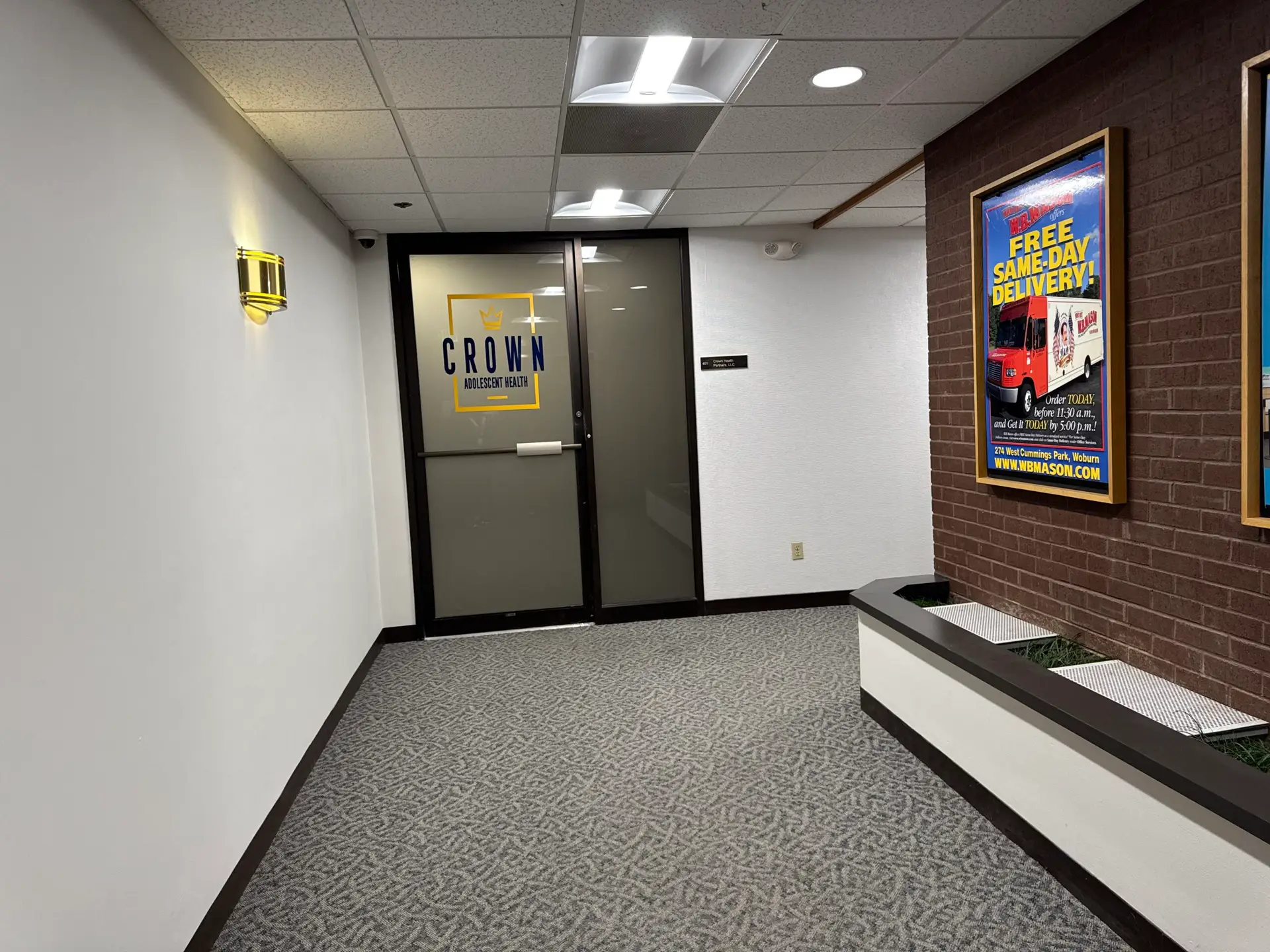
Located at 1 Technology Park Drive, Unit 1A, Bourne, MA 02532, Crown Adolescent Health serves families from Falmouth, Mashpee, Sandwich, Barnstable, Hyannis, Wareham, Buzzards Bay, Plymouth, and communities throughout Cape Cod.
Why Adolescents Need Specialized Mental Health Care
Teenagers are not simply younger adults. Adolescence is a distinct developmental stage involving major emotional, social, physical, and neurological changes. Teens are forming their identities, becoming more independent, navigating peer relationships, managing academic expectations, and beginning to make decisions about adulthood.
These pressures can make teenagers especially vulnerable to anxiety, depression, emotional dysregulation, school refusal, low self-esteem, and chronic stress. Treatment designed specifically for adolescents considers these developmental challenges rather than focusing only on symptoms.
An adolescent mental health program can help teens better understand their emotions, communicate more effectively, develop healthier coping skills, improve daily functioning, and build resilience for future challenges.
Signs Your Teen May Need Mental Health Support
Some emotional changes are expected during adolescence. However, symptoms that persist, worsen, or interfere with school, relationships, family life, or basic responsibilities deserve professional attention.
Warning signs may include:
- Persistent sadness, anxiety, or irritability
- Withdrawal from friends and family members
- Loss of interest in sports, hobbies, or activities
- Declining grades or incomplete assignments
- Frequent school absences or school refusal
- Panic attacks or intense fear
- Emotional outbursts or prolonged shutdowns
- Changes in sleep or appetite
- Difficulty concentrating or making decisions
- Low motivation or constant exhaustion
- Excessive self-criticism or low self-esteem
- Difficulty handling disappointment or conflict
- Increasing family arguments
- Comments about hopelessness, self-harm, or death
A teenager does not need to experience every symptom to benefit from treatment. A clinical assessment can help your family understand what is happening and determine an appropriate level of care.
Concerned About Your Teen’s Mental Health?
You do not need to know exactly which program your teenager needs before calling. Our admissions team can explain available options and help your family identify an appropriate next step.
Speak With Our Admissions TeamConditions Addressed in Adolescent Mental Health Treatment
Teenagers often experience several overlapping mental health concerns. A teen with depression may also struggle with anxiety, school avoidance, low confidence, emotional exhaustion, or family conflict.
Families searching for adolescent mental health program can expect a warm, structured, and evidence-based approach.
Treatment should consider the adolescent’s complete experience rather than focusing only on one symptom or diagnosis.
Our programs may support teens experiencing:
- Depression
- Generalized anxiety
- Social anxiety
- Panic attacks
- School refusal
- Emotional dysregulation
- Mood instability
- Trauma-related symptoms
- ADHD-related emotional and functional challenges
- Chronic stress
- Emotional burnout
- Low self-esteem
- Grief and loss
- Family and relationship conflict
- Difficulty adjusting to major life changes
Every treatment plan is individualized because each teen has a different history, personality, family environment, support system, and set of recovery goals.
Teen Anxiety Treatment Near Falmouth
Anxiety can affect a teenager’s thoughts, body, behavior, sleep, school participation, and relationships. Some teens worry constantly, while others avoid situations that make them uncomfortable.
Common signs include overthinking, perfectionism, fear of failure, physical tension, irritability, difficulty sleeping, panic symptoms, social avoidance, and repeated requests for reassurance.
Treatment can help adolescents recognize anxiety triggers, challenge catastrophic thinking, reduce avoidance, and practice grounding and coping strategies.
Learn more about Teen Anxiety Treatment in Falmouth, MA.
Teen Depression Treatment Near Falmouth
Depression in teenagers does not always look like visible sadness. Some adolescents become irritable, angry, withdrawn, emotionally numb, unmotivated, or disconnected from activities they once enjoyed.
Depression can affect school performance, friendships, sleep, appetite, energy, concentration, confidence, and hope for the future. Treatment helps teens identify negative patterns, improve routines, reconnect with meaningful activities, and develop healthier ways of managing distress.
If your family is exploring an adolescent mental health program, our admissions team is available to answer questions and guide next steps.
Learn more about Teen Depression Treatment in Falmouth, MA.
Every adolescent mental health program plan we create is tailored to the adolescent's developmental stage and history.
Panic Attack Treatment for Adolescents
Panic attacks can cause rapid heartbeat, chest tightness, shortness of breath, dizziness, shaking, nausea, and an intense fear that something terrible is happening.
After experiencing a panic attack, some teens begin avoiding school, social events, crowded spaces, driving, sports, or other settings where they fear another episode could occur.
Treatment helps adolescents understand the body’s fear response, reduce catastrophic interpretations, use grounding skills, and gradually regain confidence.
Learn more about Teen Panic Attack Treatment in Falmouth, MA.
Emotional Dysregulation Treatment
Emotionally dysregulated teens may struggle with rapid mood changes, intense outbursts, impulsive reactions, prolonged shutdowns, or difficulty calming down after becoming upset.
These behaviors are not always intentional defiance. They may reflect difficulty identifying, tolerating, and managing powerful emotions.
Treatment helps teens recognize warning signs, improve emotional awareness, tolerate disappointment, communicate more clearly, and respond to stress without becoming overwhelmed.
Learn more about Teen Emotional Dysregulation Treatment in Falmouth, MA.
School Refusal and Academic Difficulties
School refusal is often connected to anxiety, depression, bullying, panic attacks, perfectionism, academic pressure, or emotional overwhelm. It should not automatically be viewed as laziness or defiance.
A teen may complain of headaches or stomachaches, refuse to get out of bed, experience panic symptoms before school, leave early, or avoid specific classes.
We believe adolescent mental health program works best when paired with strong family involvement and communication.
Treatment helps identify the underlying cause of avoidance while helping the teen rebuild routines, coping skills, confidence, and school participation.
Learn more about School Refusal Treatment for Teens in Falmouth, MA.
Levels of Care Available for Teenagers
Not every adolescent needs the same amount of treatment. The appropriate level of care depends on symptom severity, safety, daily functioning, school participation, treatment history, and family support.
Crown Adolescent Health offers multiple levels of care so families can access treatment that reflects the teenager’s current needs.
Outpatient Teen Therapy
Outpatient therapy may be appropriate for teenagers who are emotionally stable, able to manage most daily responsibilities, and capable of making progress through regular appointments.
Treatment may include individual therapy, family sessions, coping-skill development, anxiety management, depression support, emotional regulation, and communication work.
Learn more about our Teen Therapy Program in Falmouth, MA.
Adolescent Intensive Outpatient Program
An Intensive Outpatient Program, commonly called IOP, provides more structure than weekly therapy while allowing adolescents to continue living at home.
IOP may include treatment several days per week, combining group therapy, individual support, family involvement, emotional regulation training, and practical coping skills.
This level of care may be appropriate when symptoms interfere with school, family relationships, or daily routines but do not require full-day treatment.
Our adolescent mental health program blends individual therapy, group support, and skill-building exercises.
Choosing the right adolescent mental health program can make a meaningful difference in a teen's recovery and long-term wellbeing.
Learn more about our Adolescent IOP Program in Falmouth, MA.
Teen Partial Hospitalization Program
A Partial Hospitalization Program, or PHP, provides a more intensive daytime treatment schedule for adolescents whose symptoms significantly affect daily functioning.
Teens attend structured therapeutic programming during the day and return home afterward. PHP can provide stabilization, frequent clinical support, and repeated opportunities to practice new skills without requiring an overnight stay.
Learn more about our Teen PHP Program in Falmouth, MA.
Evidence-Based Adolescent Therapy
Evidence-based treatment uses therapeutic methods supported by clinical research and adapted to each teenager’s symptoms, circumstances, and goals.
Clinicians may use several treatment approaches because no single method is appropriate for every adolescent.
Cognitive Behavioral Therapy
Cognitive Behavioral Therapy, or CBT, helps teenagers understand the connection between thoughts, feelings, and behaviors.
A teen may automatically interpret a disappointing grade as proof of failure or assume that a social interaction will end in rejection. These thought patterns can increase anxiety, depression, and avoidance.
CBT helps adolescents identify unhelpful thinking, evaluate evidence, and develop more balanced responses.
Dialectical Behavior Therapy Skills
Dialectical Behavior Therapy, commonly called DBT, teaches practical skills for managing intense emotions, tolerating distress, communicating effectively, and staying present during stressful situations.
Consistent progress in adolescent mental health program often comes from a combination of clinical care and home support.
DBT-informed treatment often focuses on:
- Mindfulness
- Emotional regulation
- Distress tolerance
- Interpersonal effectiveness
These skills may be especially helpful for teens who experience emotional outbursts, impulsive reactions, panic symptoms, family conflict, or difficulty calming down.
Individual Therapy
Individual therapy provides private time for teens to discuss emotions, relationships, family concerns, school stress, difficult experiences, and personal goals with a clinician.
Sessions may focus on identifying patterns, practicing coping strategies, improving self-awareness, and creating realistic treatment goals.
Group Therapy
Group therapy gives adolescents an opportunity to connect with peers facing similar challenges. Professionally facilitated groups can reduce isolation and help teens practice communication, boundaries, emotional regulation, and problem-solving.
Group therapy can help teens recognize that they are not alone while allowing them to learn from different perspectives.
Family Therapy
Family therapy helps parents, caregivers, and teenagers improve communication, reduce recurring conflict, establish healthier expectations, and create a home environment that supports recovery.
Family participation does not focus on assigning blame. Instead, it helps everyone better understand symptoms and practice more effective ways of responding.
Why Family Involvement Matters
Mental health challenges rarely affect only the teenager. Parents may feel worried, helpless, frustrated, guilty, or uncertain about what to say and do. Siblings may also experience changes in routines, attention, and household stress.
Family involvement can help caregivers understand the teen’s symptoms while learning how to provide support without reinforcing avoidance or escalating conflict.
Many teens who complete our adolescent mental health program report improved coping skills and confidence.
Family-focused treatment may address:
- Communication between teens and caregivers
- Healthy household boundaries
- Parent responses to anxiety and depression
- Conflict resolution
- School attendance and daily routines
- Support for emotional regulation skills
- Warning signs and safety planning
- Continued support after treatment
Parents do not need to have all the answers. Treatment can provide guidance, education, and a clearer plan for moving forward together.
Our adolescent mental health program combines clinical expertise with a compassionate, family-centered approach to care.
Individualized Treatment Planning
Every adolescent enters treatment with a different combination of symptoms, strengths, experiences, family circumstances, and goals. An individualized treatment plan helps ensure that care reflects the teen’s specific needs.
Treatment goals may focus on:
- Reducing anxiety or depression symptoms
- Improving emotional regulation
- Returning to school
- Strengthening family communication
- Reducing avoidance
- Improving sleep and daily routines
- Building self-esteem
- Developing healthier relationships
- Improving coping and problem-solving skills
Progress should be reviewed throughout treatment so the plan can change as the teenager becomes more stable and confident.
Adolescent Mental Health Care Near Falmouth
Families from Falmouth can access adolescent-focused mental health treatment at Crown Adolescent Health’s Bourne location:
Crown Adolescent Health
1 Technology Park Drive, Unit 1A
Bourne, MA 02532
Our nearby location provides a convenient treatment option for families throughout Falmouth and the Upper Cape. Accessing care closer to home can make consistent attendance and family participation easier.
We serve families from Falmouth, Mashpee, Sandwich, Bourne, Barnstable, Hyannis, Wareham, Buzzards Bay, Plymouth, and surrounding Massachusetts communities.
Why Falmouth Families Choose Crown Adolescent Health
Families choose Crown Adolescent Health because our programs are designed specifically for teenagers. We understand that adolescent treatment must address more than symptoms alone.
Our licensed clinicians provide adolescent mental health program in a safe, welcoming, and supportive environment.
Effective care should also consider school, friendships, family relationships, identity development, emotional maturity, communication, and the transition toward adulthood.
Our approach emphasizes:
- Adolescent-focused mental health care
- Individualized clinical assessments
- Evidence-based therapeutic approaches
- Individual, group, and family therapy
- Multiple levels of care
- Emotional regulation and practical coping skills
- Family participation and parent support
- Support for school and daily functioning
- Thoughtful discharge and aftercare planning
- A respectful and compassionate environment
Insurance Verification and Admissions
Insurance coverage for adolescent mental health treatment depends on the provider, specific policy, behavioral health benefits, deductible, authorization requirements, medical necessity, and recommended level of care.
Our admissions team can verify available benefits, explain the admissions process, and discuss potential treatment options. Insurance verification does not guarantee payment, but it can help families better understand possible coverage before services begin.
You do not need to determine whether your teen needs outpatient therapy, IOP, or PHP before calling. A professional assessment can help identify the most appropriate next step.
Frequently Asked Questions
How do I know whether my teenager needs mental health treatment?
Persistent anxiety, sadness, irritability, withdrawal, declining school performance, panic attacks, school refusal, family conflict, or major changes in behavior may indicate that treatment could help. A clinical assessment can provide greater clarity.
What level of care does my teen need?
The appropriate level depends on symptom severity, safety, school functioning, daily responsibilities, family support, and response to previous treatment. Some teens benefit from outpatient therapy, while others need IOP or PHP.
Can my teenager continue living at home?
Outpatient therapy, IOP, and PHP generally allow adolescents to remain at home. PHP provides intensive daytime treatment without an overnight stay, while IOP typically involves fewer weekly treatment hours.
Will parents be involved in treatment?
Family involvement is often an important part of adolescent care. Parents may participate in family sessions, treatment planning, education, and guidance for supporting progress at home.
What if my teenager refuses treatment?
Resistance is common. Teens may feel embarrassed, misunderstood, hopeless, or afraid of being judged. Parents can explain their concerns calmly, listen without arguing, and speak with an admissions professional about how to introduce treatment.
Does insurance cover adolescent mental health treatment?
Many plans include behavioral health benefits, but coverage varies. The admissions team can verify benefits and explain available information based on the family’s specific policy.
What should I do if my teen is in immediate danger?
A scheduled treatment program is not a substitute for emergency care. If your teenager has made a suicide attempt, has a specific plan to harm themselves or another person, or cannot remain safe, call 911 or go to the nearest emergency department. In the United States, you may also call or text 988 for immediate crisis support.
For additional information about adolescent mental health, families may also review resources from the National Institute of Mental Health while exploring adolescent mental health program options with our clinical team.
Related Adolescent Mental Health Services
- Teen Anxiety Treatment in Falmouth, MA
- Teen Depression Treatment in Falmouth, MA
- Teen Panic Attack Treatment in Falmouth, MA
- Teen Emotional Dysregulation Treatment in Falmouth, MA
- Adolescent IOP Program in Falmouth, MA
- Teen PHP Program in Falmouth, MA
- Teen Therapy Program in Falmouth, MA
- Teen Mental Health Treatment Center in Falmouth, MA
- School Refusal Treatment for Teens in Falmouth, MA
Find Adolescent Mental Health Support Near Falmouth
If anxiety, depression, panic attacks, school refusal, emotional dysregulation, or other challenges are affecting your teenager’s life, Crown Adolescent Health can help your family understand the next step.
Crown Adolescent Health
1 Technology Park Drive, Unit 1A
Bourne, MA 02532
Call (781) 412-1098 Today